
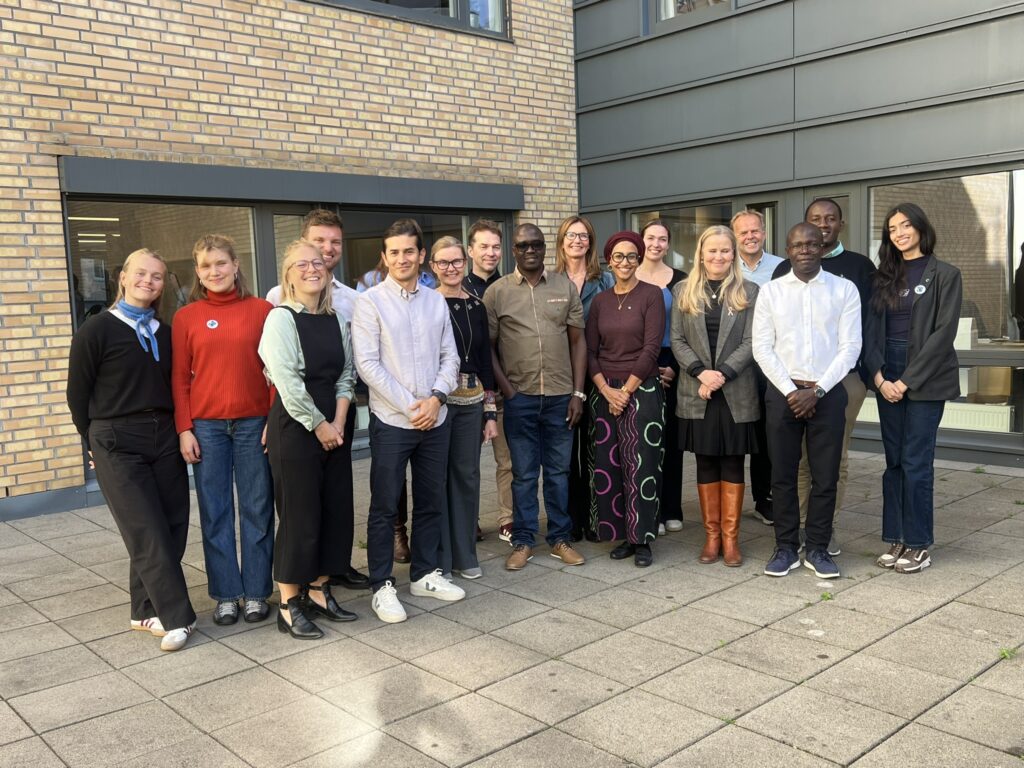
Ethical Trade Norway, Fairtrade Norway and the Norwegian-African Business Association organised the event. The discussion explored how responsible sourcing can support farmer livelihoods and decent work. One central message stood out: effective human rights due diligence depends on buyers knowing where cashew nuts are grown and processed, and under what conditions.
A market at a crossroads
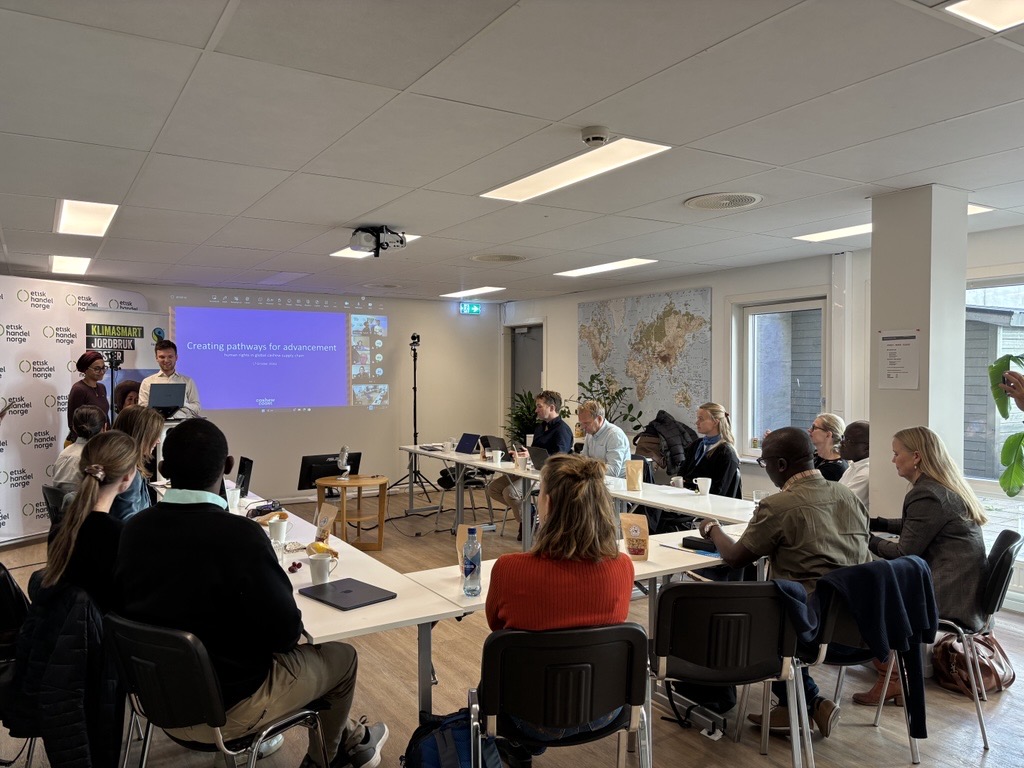
Global cashew production is growing faster than consumption. This increases the risk of surpluses and pressure on farm-gate prices. Jim Fitzpatrick, Market and Policy Analyst at The Cashew Club and one of the world’s leading cashew experts, gave an overview of these trends and the outlook for the sector. He warned that lower prices could weaken farmer incomes and reduce investment in tree management and quality. Processing remains concentrated in Vietnam and India. At the same time, long, trader-driven supply chains limit visibility and do not meet buyers’ growing expectations on traceability, carbon footprint and human rights. Fitzpatrick highlighted more origin-based processing in Africa as an opportunity to shorten supply chains, retain value in producing countries and strengthen links between farmers, processors and buyers.
Traceability that reflects reality
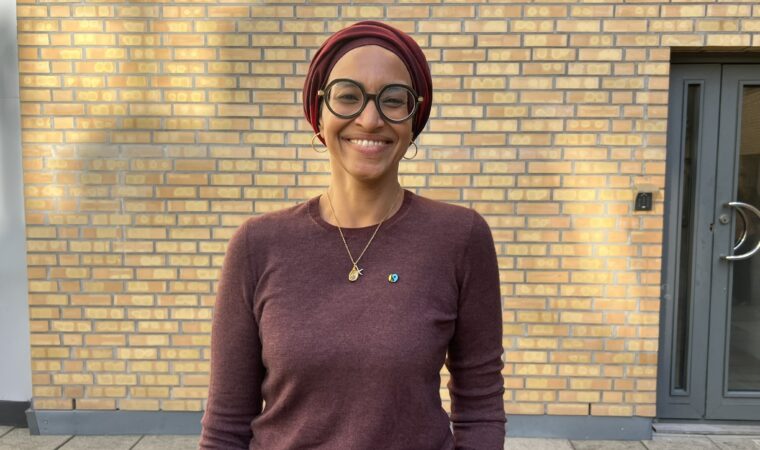
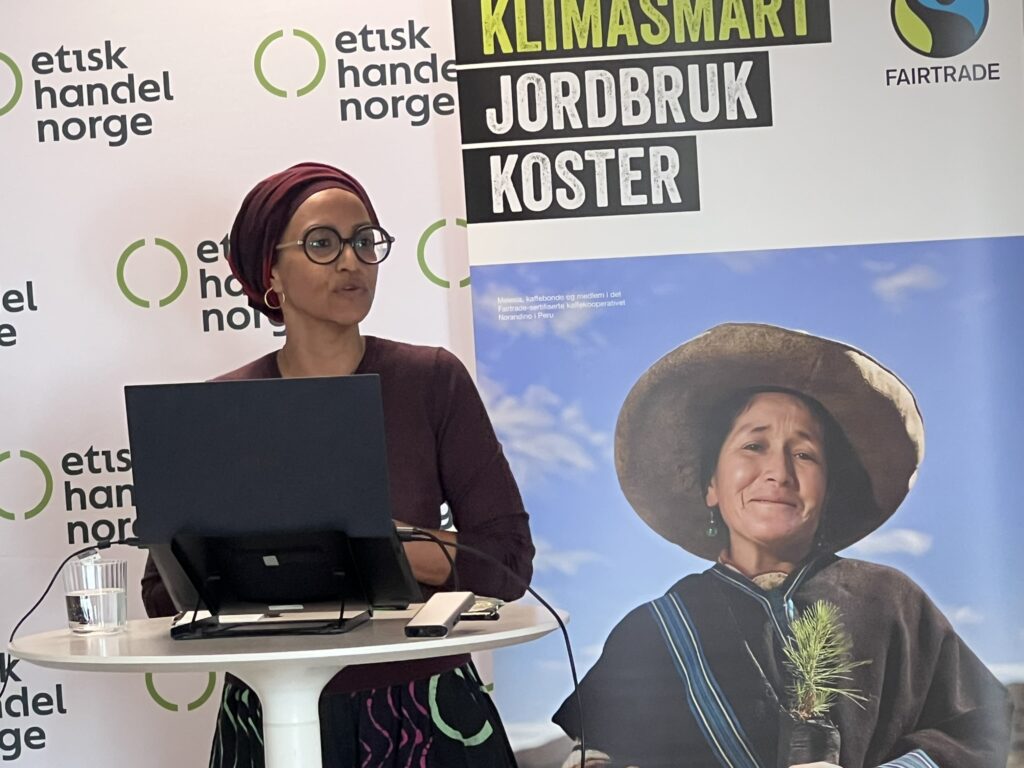
Meaningful traceability requires more than identifying a product’s origin after purchase. It depends on farm-level knowledge and long-term relationships. Salma Seetaroo, CEO of Cashew Coast, is an entrepreneur who established a cashew processing company in Côte d’Ivoire to “decommodify” cashew and tackle systemic challenges in the sector. She explained that a credible system should compare farm size and production history with realistic yields. It should also flag volumes that may have come from unverified sources. Certification, farmer support and decent employment require long-term investment. Buyers should therefore include origin in their due diligence, engage directly with suppliers and share the cost of responsible production rather than pushing risks upstream.
Turning commitments into better livelihoods
Human rights due diligence must lead to lasting improvements for farmers and workers. Chris Oluoch, Programmes Director at Fairtrade Africa, closed the roundtable by returning to farmer livelihoods and decent work. He stressed the need for joint action by buyers, processors and producer organisations. Companies should examine working conditions in processing facilities, including the use of labour brokers and subcontractors. They should also promote regular employment, social protection, safe workplaces and skills development.
The sector is at a crossroads. Buyers can keep chasing the lowest price, or help build transparent supply chains that create value in producing countries. Nordic companies can act now by knowing the origin of their cashews, strengthening due diligence, supporting responsible processing and paying for sustainability. These steps can lead to better livelihoods, decent work and a more resilient cashew sector.